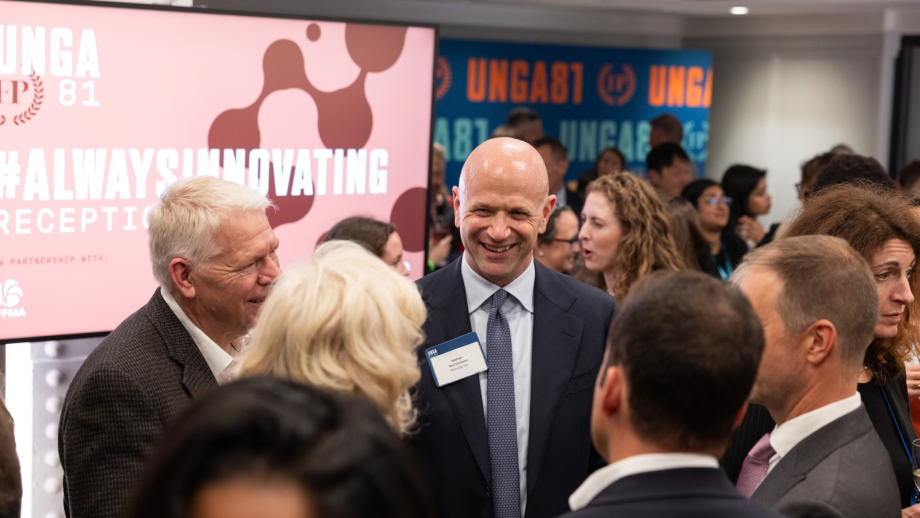


#AlwaysInnovating reception: Solutions for stronger, resilient health systems
Date
23 September 2026
Time
19:30-21:00 ET
Hosts
IFPMA and Foreign Policy
Location
Studio Gather
10 W 51st St,
New York, NY 10111
United States
Attendance
This event has now passed. To browse our upcoming events click here.
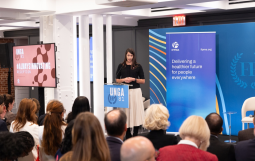
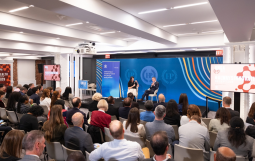
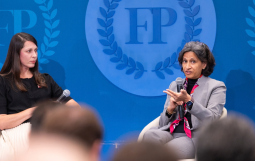
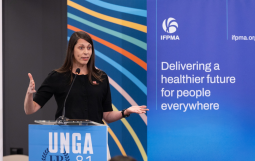
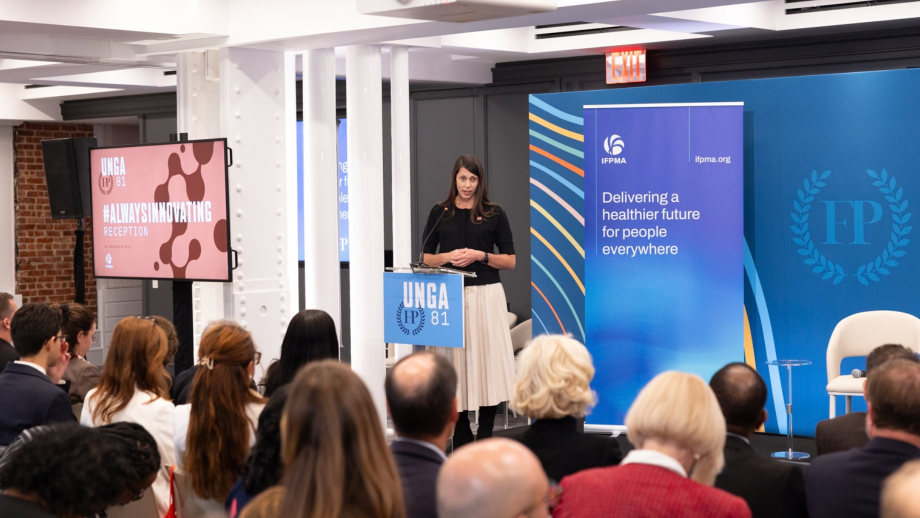
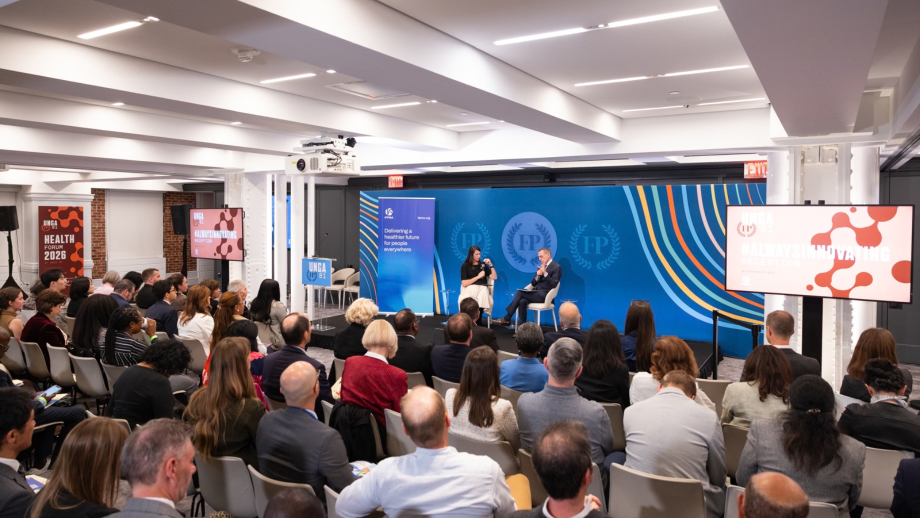
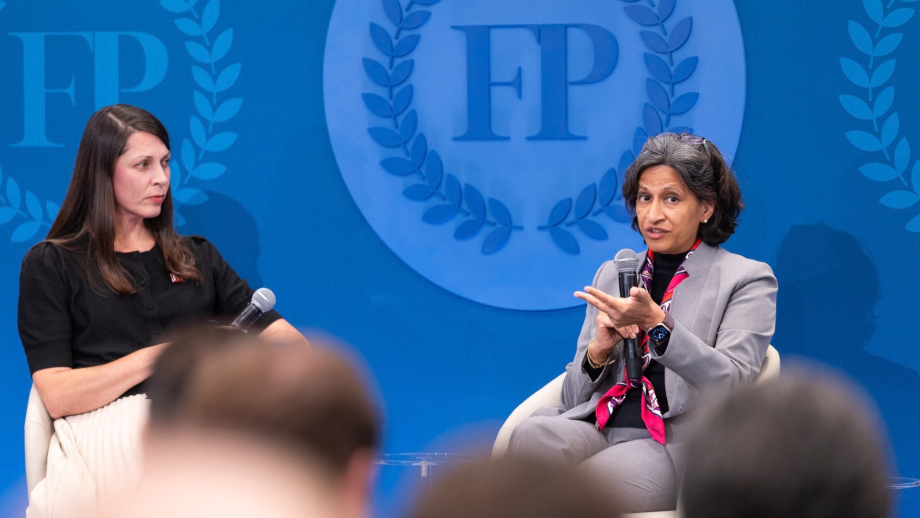
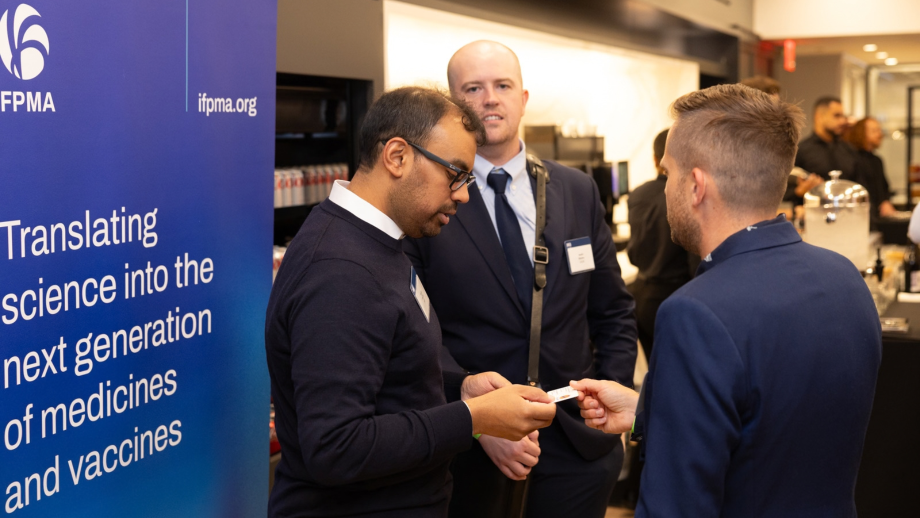
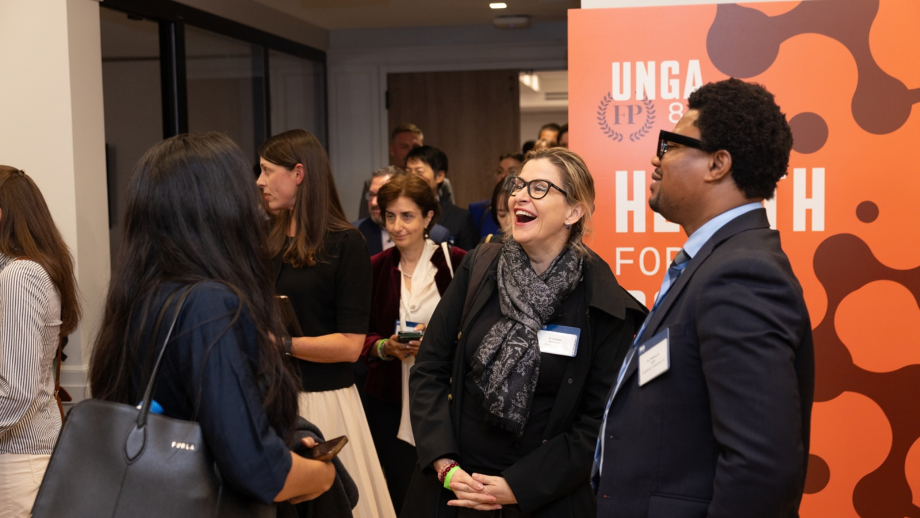
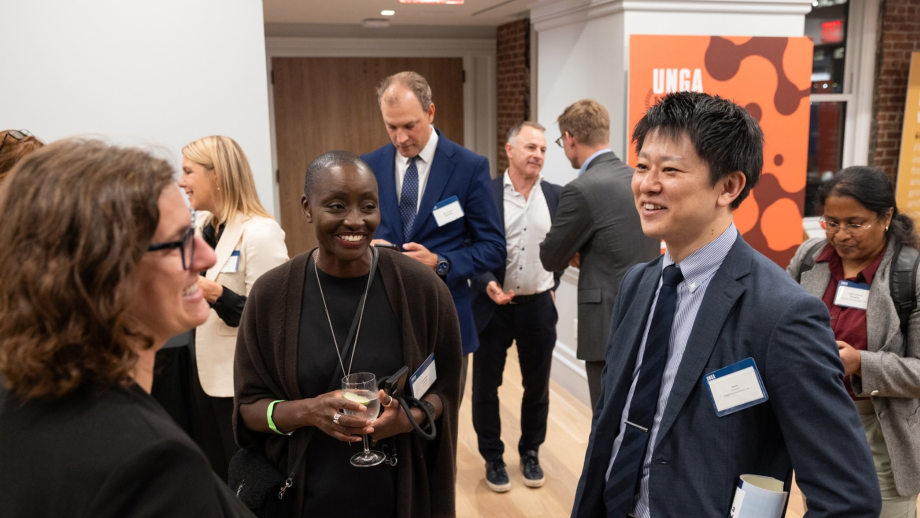
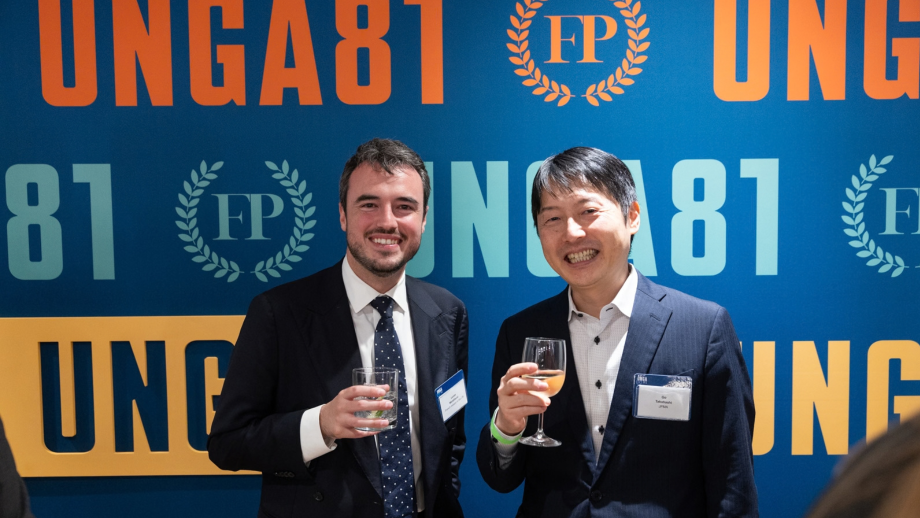
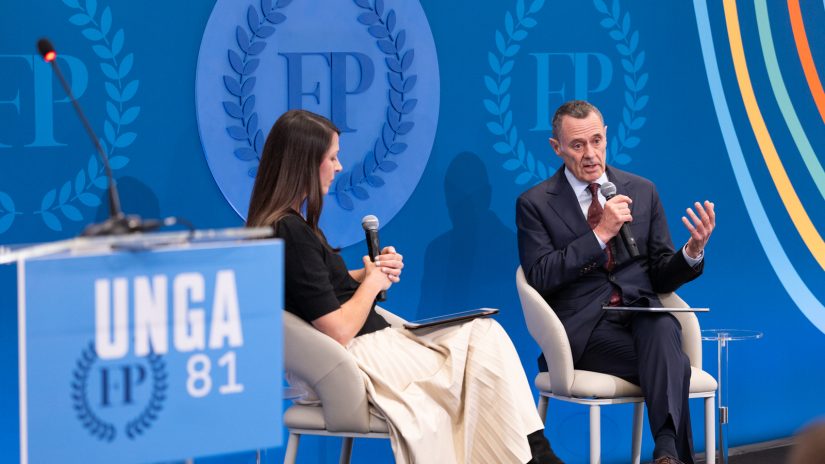
At a pivotal moment for health globally, this IFPMA-Foreign Policy networking reception convened senior leaders to talk through how stronger health systems and health security can be advanced together within today’s global health architecture.
Innovative medicines and vaccines support both – equipping health systems with the tools to prevent, diagnose, and treat disease, while enabling rapid and effective responses to emerging threats.
The 2026 UN High-Level Meeting on Pandemic Prevention, Preparedness, and Response and next year’s High-Level Meeting on Universal Health Coverage are not parallel agendas. Outcomes of these discussions mutually reinforce a strong innovation ecosystem, effective partnerships, and reliable delivery systems. Sustained investment in innovation and access strengthens healthcare systems, supports continuity of care, and underpins the scientific advances needed to combat pandemics and other global risks.
This networking reception highlighted the importance of political leadership in aligning priorities, the role of the pharmaceutical industry as a strategic partner, and sustained investments needed to translate commitments into long-term health system, health security, and economic gains.
Address
Studio Gather
10 W 51st St,
New York, NY 10111
United States
Speakers

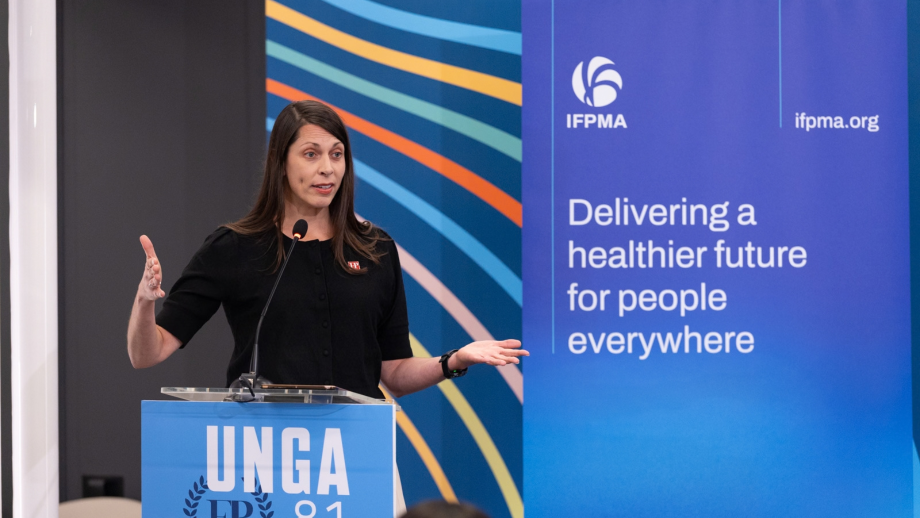
Allison Carlson is the Executive Vice President of FP Analytics, Foreign Policy’s independent research and advisory division, and FP Events. She oversees FPA’s cross-cutting research at the intersection of policy, international markets, and global development, as well as Foreign Policy’s global dialogues and convenings. In addition to overseeing FP Analytics’ range of health- and security-related research, she works closely with the FP Events team to craft and produce range of high-level forums focused on global health, including those held alongside the World Health Assembly in Geneva, the United Nations General Assembly in New York, the Munich Security Conference, among others. She has developed and led FP Simulations for over a decade, working with a range of partners, experts, and global leaders to deepen cross-sector collaboration, including on biosecurity and global health.
Prior to her current roles, Ms. Carlson led FP Analytics’ energy and technology team for over a decade, evaluating evolving climate and energy policies, regulations, and market factors to identify opportunities for advanced technology deployment and project development internationally. She has lived and worked across Latin America, Europe, and Africa. Carlson received an M.A. from the Johns Hopkins School of Advanced International Studies (SAIS) in international relations and international economics with a concentration in conflict management. She has presented her work at a range of international conferences and before the United States Senate.

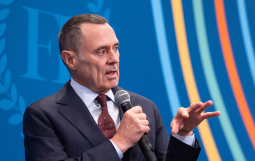
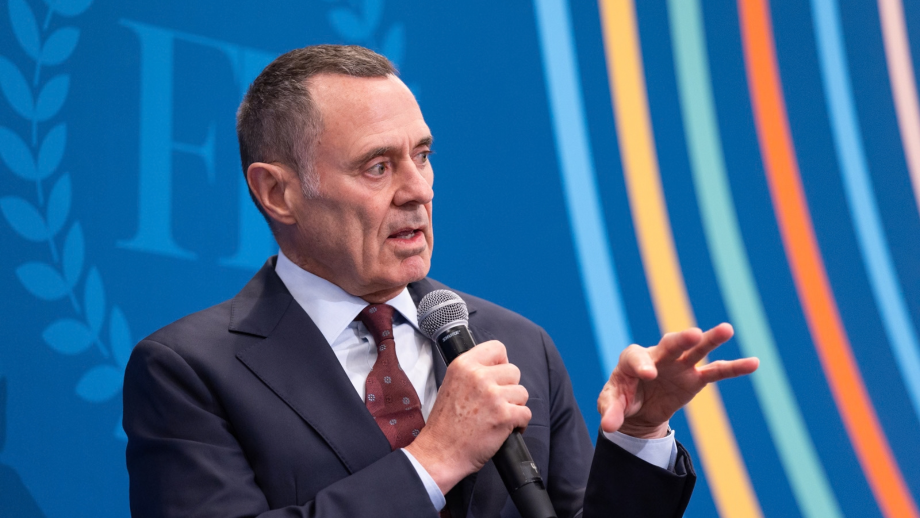
David Reddy is Director General of IFPMA, leading the organization’s mission to translate scientific progress into the next generation of medicines and vaccines and championing innovation that delivers a healthier future for people everywhere.
Prior to joining IFPMA, David served for 13 years as CEO of Medicines for Malaria Venture (MMV), where he played a pivotal role as the organization established the largest portfolio of malaria drugs ever assembled, bringing forward 15 medicines that have saved more than 15 million lives.
In 2026, David joined the World Health Summit Council. He has also been a Board Member of the Coalition for Epidemic Preparedness (CEPI) from 2018-2026 and serves on the Board of Malaria No More UK.
Before joining MMV, David was a Vice President at Roche, where he held corporate responsibility for Roche’s response to the 2009/2010 influenza pandemic. In this role, he led the work to develop, communicate, and implement the company’s strategy for working with governments and the WHO on pandemic preparedness, and establishing a sustainable access program. Prior to this, he led Roche’s HIV/AIDS Disease Area Strategy Team, providing strategic leadership for Roche’s HIV portfolio.
David holds a PhD in Cellular and Molecular Biology from the University of Auckland, New Zealand and completed a post-doctoral fellowship in molecular neurobiology at the Friedrich-Miescher Institute in Basel, Switzerland. David has more than 30 years of management experience in the healthcare sector, including leadership of drug development teams including working on anti-viral diagnostics, a recombinant vaccine, and novel antiviral strategies; licensing and alliance management; market analytics and business planning; product and disease area management; and interfacing with governments, NGOs, and patient advocacy groups in priority disease areas.
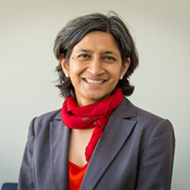
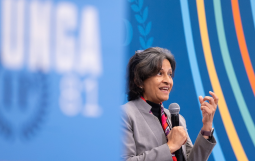
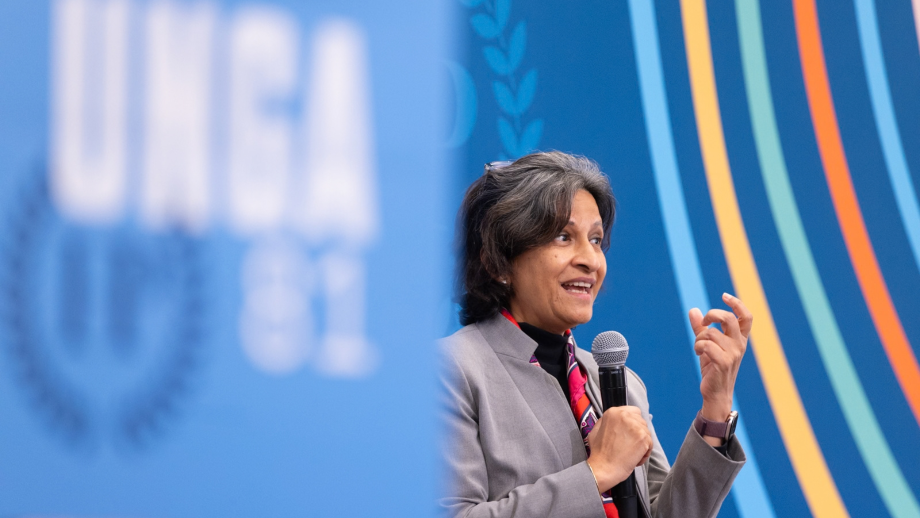
Mamta Murthi is Vice President for the People Vertical at the World Bank, a role she assumed on July 1, 2020. In this role she oversees the Global Practices for Education; Health, Nutrition, and Population; Gender; Social Policy – as well as the Human Capital Project.
Mamta has held many leadership positions at the World Bank, including as Director of Operations Policy (2019), Director of Strategy and Operations in Infrastructure (2018), Director of Strategy and Operations in the Africa Region (2015-2018), and Regional Country Director for the EU, based in Brussels (2012-15).
An economist by training, she has had technical roles in Social Protection and Labor (1996-2004) and Education (2006-10). She was Deputy Director of the World Development Report on Development and the Next Generation in 2006. During 1998-2000, Mamta was MacArthur Fellow for Poverty and Inequality at King’s College, Cambridge.
Mamta joined the World Bank as a Young Professional in 1995. She has a Bachelors’ Degree in Economics from St. Stephen’s College, University of Delhi and a D.Phil in Economics from the University of Oxford. Mamta has written extensively on poverty, demography, education, pensions, and skills and is well-known for her econometric studies on fertility in India.
Resources
#AlwaysInnovating: Pharmaceutical Industry Facts & Figures
This compendium of facts and figures aims to provide a snapshot of the contribution of the pharmaceutical industry. Pharmaceutical companies are at the forefront of developing medicines and vaccines that change how we fight and prevent disease and help solve today’s biggest health challenges. In addition to their contribution to healthier societies, pharmaceutical companies also...
Read more
The economic impact of the global pharmaceutical industry
This report from WifOR analyzes the economic impacts of the global pharmaceutical industry, focusing on contributions to Gross Domestic Product (GDP), job creation, and research and development (R&D) activities.
Read more
Strengthening global health security: Perspectives from the innovative pharmaceutical industry
IFPMA publication “Strengthening global health security: Perspectives from the innovative pharmaceutical industry”presents the pharmaceutical industry as a central partner in global health security, and capturing the sector’s contributions, key challenges, and concrete policy recommendations.
Read more
Health security for a safer future
This issue brief by Foreign Policy Analytics (FPA), produced with support from IFPMA, examines global health security, highlighting international coordination to strengthen preparedness is vital to protecting lives, economies, and societies from the next major health crisis.
Read more
Supporting documents
Photos