

Universal Health Coverage
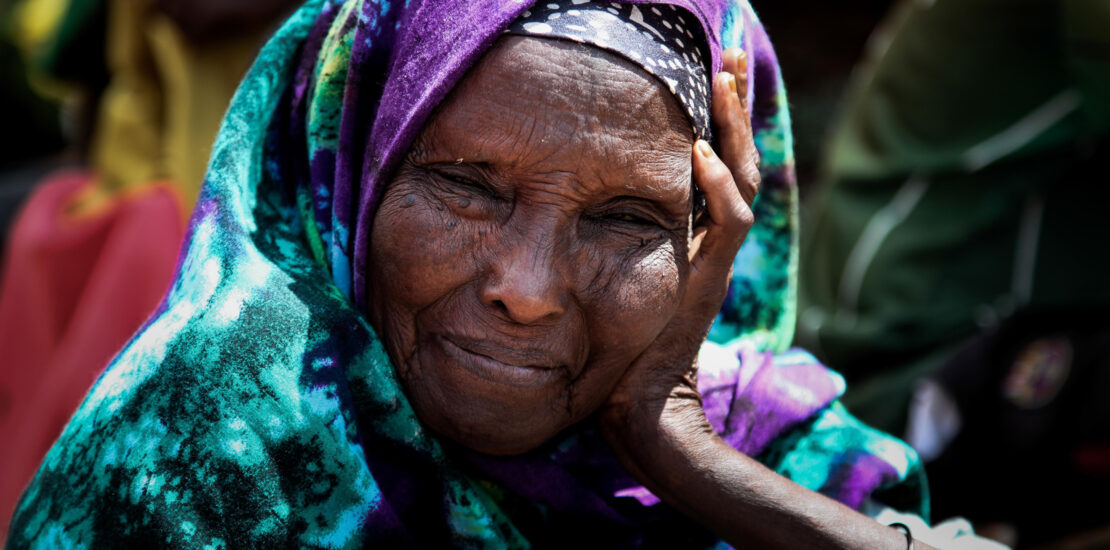
IFPMA works in partnership with other members of the global health community to achieve Universal Health Coverage targets and contribute to a world where no one is left behind in receiving the healthcare they need.
Overview
Universal Health Coverage (UHC) means that all individuals and communities receive the health services they need without suffering financial hardship.
It covers all essential, quality health services – from health promotion to prevention, treatment, rehabilitation, and palliative care – across the life course. This principle is at the heart of the Sustainable Development Goals (SDGs).
Strengthening health systems
UHC is the cornerstone of global health equity and sustainable development. However, 50% of the world’s population do not have access to the essential health services, indicating that major efforts will be required to overcome this critical gap.
No single government, organization, or sector can achieve UHC on its own. Meaningful collaboration is critical, and the private sector is an important global health partner to deliver UHC.
IFPMA, on behalf of our members, is committed to progress toward UHC and seeks to leverage innovation to achieve health equity, emphasizing three foundational elements: improving primary health care, ensuring adequate financing, and focusing on multistakeholder partnerships. Read our position paper on UHC.
of the world’s population do not have access to the health care they need
people are driven deeper into extreme poverty each year due to health costs
cross-sector collaborations involving our members to advance the achievement of SDG 3 and UHC
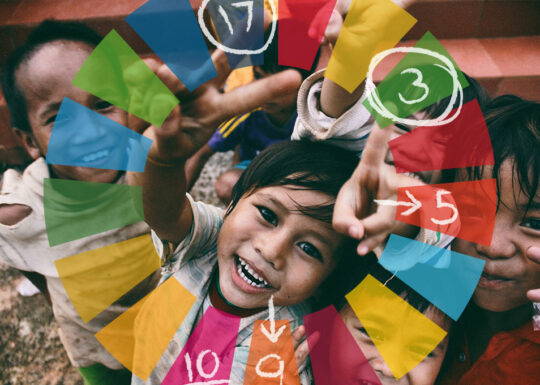
Explore Global Health Progress
Global Health Progress is an interactive knowledge hub highlighting over 250 collaborations in low- and middle-income countries between the innovative pharmaceutical industry and over 1100 diverse partners to support the SDGs.
Primary health care
UHC is about all people accessing the quality and effective essential healthcare they need without experiencing financial hardship as a result. Primary health care (PHC) is at its foundation.
PHC is the package of essential health services—ranging from promotion and prevention (including vaccination) to diagnosis, treatment, rehabilitation, and palliative care. A person receives these services across their life course, often beginning before birth and continuing through illness, injury, work, childbirth, aging, and the end of life.
PHC is the frontline of a resilient health system, one which can prepare for, withstand the stress of, and respond to the public health consequences of disasters and emergencies while sustainably helping to reduce hospitalizations and lost productivity from premature deaths.
For people living with chronic conditions, often coupled with co-morbidities, PHC is particularly important. IFPMA commissioned research that showed a 1% increase in GDP spend in low- and middle-income countries, where at least 40% is dedicated to PHC interventions for non-communicable diseases (NCDs), could result in five million lives saved every year.
Unlocking investment in PHC is critical to build stronger, preventative healthcare systems and make substantive progress in tackling NCDs, infectious diseases, and the associated threat of antimicrobial resistance.
Our members continue to work to drive improved access to medicines and vaccines, and work in partnership to strengthening healthcare systems to improve the lives of people around the world.

Non-communicable diseases
IFPMA helps tackle non-communicable diseases (NCDs) by building multi-sectoral alliances and reinforcing the importance of investing in NCD prevention and care through our policy, advocacy, and communications work.

Vaccines
Vaccines have transformed public health, preventing more than 30 life-threatening diseases and continuing to evolve to meet emerging needs.
UHC and health financing
Increased financing is essential for countries to make sustainable progress toward UHC.
Achievement of UHC relies on the leadership and political will of governments. It may require domestic fiscal and structural reforms to increase the total resources available and to reduce the share of out-of-pocket (OOP) expenditures. Government financing should be consistent with national development strategies, help ensure efficient and equitable allocation of resources to PHC, and recognize the value of prioritizing prevention across the care continuum and resilient health systems.
In fact, data from the Office of Health Economics (OHE) demonstrates that adult immunization programs can deliver up to 19 times their initial investment, generating substantial societal and economic returns proportional to childhood immunization programs. We also see that NCD solutions offer a 19:1 return on investment, with co-benefits for health and the environment.
While public financing is essential, this does not mean that governments have to deliver all health services themselves and fit-for-purpose Public Private Partnerships (PPPs) should also be considered. There are many good examples of countries achieving UHC by using public funding to deliver services through both public and private health providers.
The innovative pharmaceutical industry operates in and adapts to a range of financing systems through our companies and associations in nearly every country. This includes multi-payer, single-payer, and hybrid systems, as well as public and private health insurance programs. As a result, we have significant experience to share with governments on sustainable financing models to meet their unique needs.
UHC requires us to revolutionize the way we see investments in health—not as a cost to society, but as a genuine investment in our human capital, as the drivers of economic development and growth.
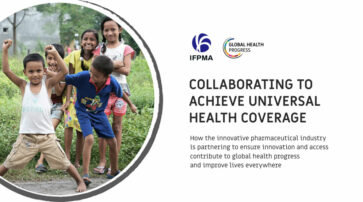
Collaborating to achieve universal health coverage
Explore how the innovative pharmaceutical industry is partnering to ensure innovation and access contribute to global health progress and improve lives everywhere in this report. The Sustainable Development Goals (SDGs) explicitly strive to engage the private sector in addressing the world’s most pressing challenges and emphasize the importance of cross-sector collaborations. Universal Health Coverage (UHC)...
Read moreUHC2030 Private sector engagement
The innovative pharmaceutical industry plays a key role toward achieving UHC.
As a member of the UHC2030 Private Sector Constituency (PSC), IFPMA is strongly supportive of the UHC2030 Private Sector Constituency statement on private sector commitments drawing from the Action Agenda. The Action Agenda is a set of action-oriented policy recommendations aimed at country leaders to strengthen resilient and equitable health systems, advance universal health coverage and health security, and deliver health for all by 2030.
The UHC2030 PSC statement outlined five commitments:
- Incorporate UHC principles, including to leave no one behind, into our business
- Deliver innovations that respond to the needs of all people including underserved populations, and make these safe, affordable, accessible, and sustainable
- Help strengthen the health workforce, responding to local context, priorities and needs
- Contribute to efforts to raise the finance available for UHC
- Champion and engage in multi-stakeholder policy dialogues that advance UHC.

See how we're supporting African health innovation
We contribute to sustainable local solutions and policies that support greater access to health services and innovations in lower-resources settings, especially in Africa, through partnership and capacity building.
Reinforcing collaboration on UHC to deliver greater global health equity and health security
The innovative pharmaceutical industry stands together with the global health community to support countries in accelerating their efforts to achieve UHC.
Related news and resources
See allA better global health architecture delivers both innovation and access
Reshaping the global health architecture requires treating innovation and patient access as complementary objectives. Last year fundamentally challenged the way we think about global health. Now, meaningful reform must include strengthening the conditions for medical breakthroughs and ensuring that medicines and vaccines reach people faster and more efficiently. Public debate on the effectiveness of multilateralism,...
Read more
The innovation development and access pathway: A holistic approach to accelerating access to innovative medicines and vaccines
IFPMA introduces the “Innovation Development and Access Pathway” (IDAP), a framework designed to build a shared understanding of the end-to-end pathway of how medicines and vaccines move from discovery to delivery at the point of care. The paper maps the four critical pillars of this journey: R&D and the innovation ecosystem; regulatory processes and life cycle management; listing, procurement and reimbursement; and health service delivery. It identifies systemic challenges, and proposes collaborative solutions to overcome them, and shows that improving access requires coordinated action across stakeholders, with governments playing a central role in enabling timely and equitable access to innovation.
Read more
A new dawn in global health: UHC as the path toward national health stewardship
The UHC High‑Level Forum in Tokyo marked an unmistakable turning point. It signaled a shift from dialogue to pragmatic action, with health and finance ministries jointly designing country‑owned, fiscally grounded UHC strategies to move beyond fragmented, crisis‑driven responses toward resilient, durable health systems that can make Universal Health Coverage (UHC) a reality. UHC means ensuring...
Read more
Other health systems topics
See all
Vaccines
The innovative pharmaceutical industry supports the discovery of new vaccines and their access to prevent and control diseases, improve the health of people everywhere, and make the world a safer place.

Digital health
Digital health technologies impact every aspect of the value chain, from drug discovery and clinical development to product launch and support for patients, caregivers, and healthcare professionals.

Rare diseases
We are driving a mindset shift regarding rare diseases that pose unique challenges to patients, their families, society, healthcare professionals, and healthcare systems.